
Autoproc builds trained end-of-press inspection systems for manufacturers that need reliable defect detection, production evidence, and customer-ready quality controls — without building an internal machine vision team.
Industrial cameras, controlled lighting, edge AI, and PLC integration detect defined production issues at the press, before they become scrap, sorting, chargebacks, or customer escapes.
Built for press shops. Trained for your parts. Supported after install.
Traditional machine vision is capable — but most suppliers can't design, train, validate, and maintain a custom vision system for every press. Autoproc sits below large custom deployments with a practical, trained, supported inspection station for specific production problems.
Are we catching the defect before shipment?
Can we prove the process was monitored?
Can we reduce manual inspection without increasing risk?
Can we meet customer quality expectations without another complex engineering project?
Our flagship system inspects stamped-metal parts as they exit the press or conveyor — detecting defined defect conditions under validated operating conditions, and capturing evidence for quality, production, and customer review.
The system is configured around known defects, high-risk features, and customer-critical characteristics for your parts.

Detect high-risk stamped-part defects before they leave the press area. Trained around known failure modes, high-risk features, and customer-critical characteristics.
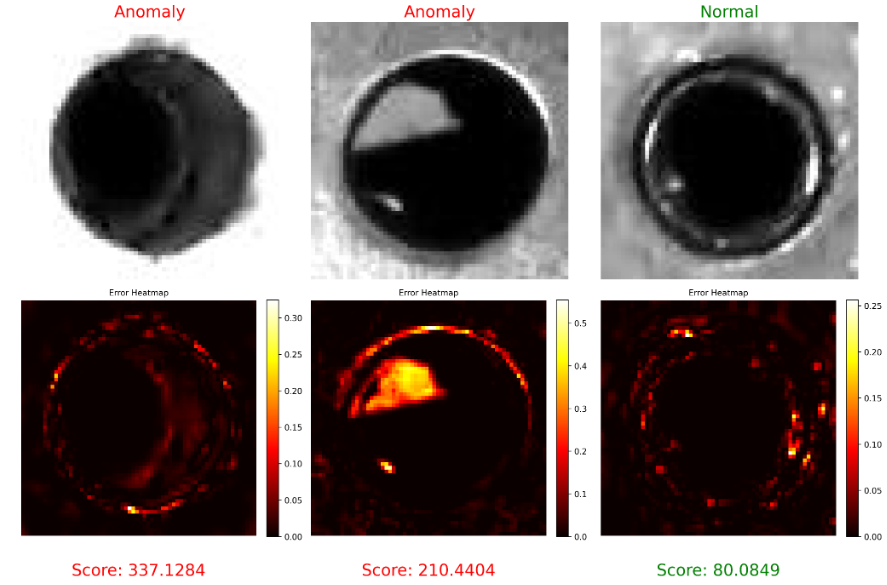
Deployed anomaly detection for weld inspection where real defect data is limited — using production images and model-based comparison to flag unusual conditions.
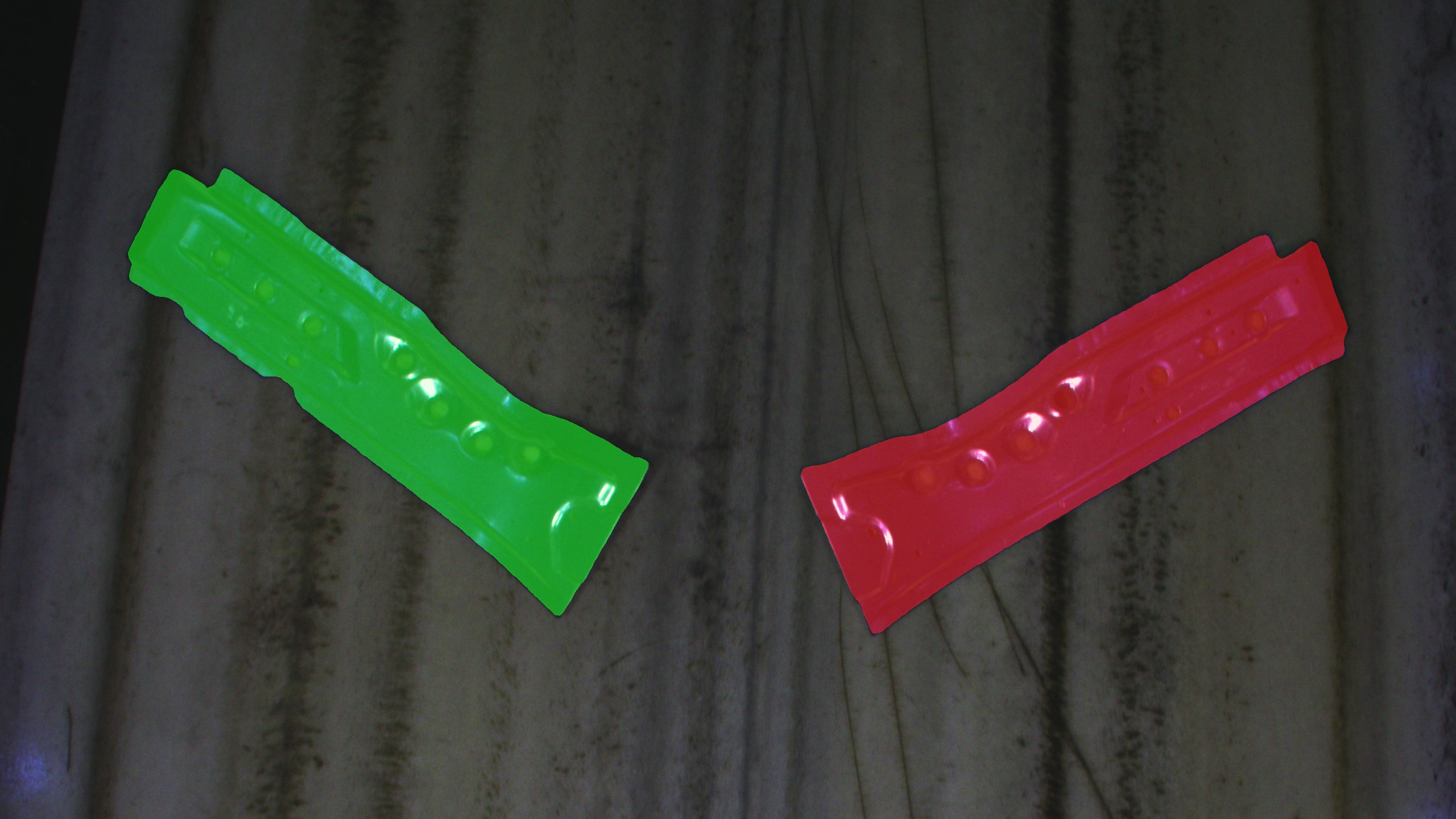
For conveyor and binning applications, trained vision models count parts, handle part-pair occlusion, and compare production counts against system records.
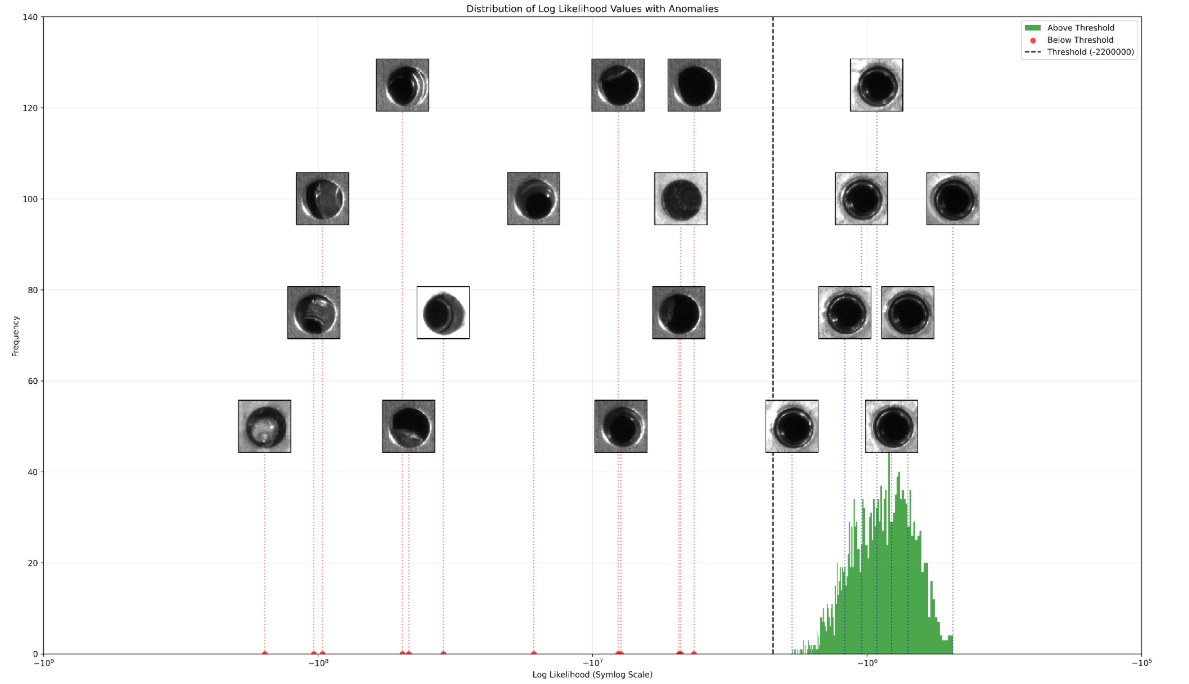
On the nut weld deployment, correctly welded parts cluster tightly above threshold while anomalies fall well below it — trained on correct parts only, with faults occurring on the order of 1 in 100,000.
A defined path from application review to a supported production system.
We review the press, part flow, defect type, lighting, cycle time, controls, and success criteria before quoting.
Camera, lighting, compute, mounting, cabling, and integration hardware installed around your line.
We collect part images, define defect conditions, train the model, and tune to the part family and workcenter.
Detection validated against agreed acceptance criteria, with documented behavior and response process.
Ongoing model tuning, troubleshooting, recipe changes, documentation, and production improvements.
Autoproc handles the messy middle between machine vision hardware and production-ready quality control.
Configured around your parts, press behavior, lighting, defect modes, and production constraints.
Edge processing keeps inspection close to the line and reduces dependency on cloud connectivity.
Defect images, alerts, and validation records give quality and customers proof the process was monitored.
Inspection systems need tuning and support. Autoproc stays involved well beyond the first install.
If you have a high-risk defect, a customer quality requirement, a manual inspection bottleneck, or a recurring production issue, Autoproc can assess whether a trained end-of-press inspection station is right for your line.
or email contact@autoproclabs.com